
It’s easy to fall in love with photos. High-definition lighting, polished paint angles, and a seller’s glowing description can make a 30-year-old classic car look like it just rolled off the showroom floor.
When you're buying a car across an ocean—say, finding a classic in Europe while sitting at your desk in the US—the temptation to skip a professional physical inspection to "save a few hundred bucks" is real.
Spoiler alert: That decision almost always ends up costing thousands.
Here are the hidden costs of buying a classic car sight-unseen without a proper, independent set of eyes on the ground:
1. The "Surprise" Mechanical Rebuild
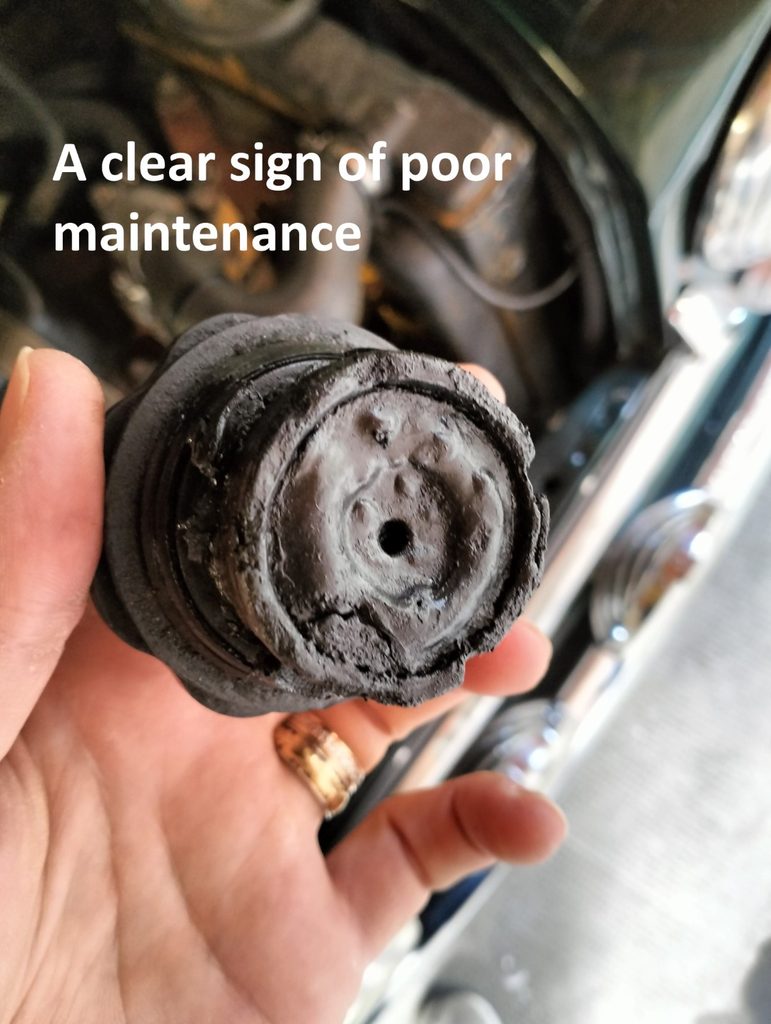
A seller might honestly believe the car "runs great." To someone who drives modern cars daily, an old carbureted engine that stumbles, leaks oil, and idles rough might feel vintage and charming. To a mechanic, it means a complete top-end rebuild, a carburetor overhaul, a flushed fuel system, and a new wiring harness.
Without a compression test, a lift inspection, and a professional diagnostic check before purchase, you are gambling blind. Finding out the engine has low compression or a cracked block after it arrives at your local port is a very expensive way to start your classic car journey.
2. Cosmetic Deception vs. Structural Reality
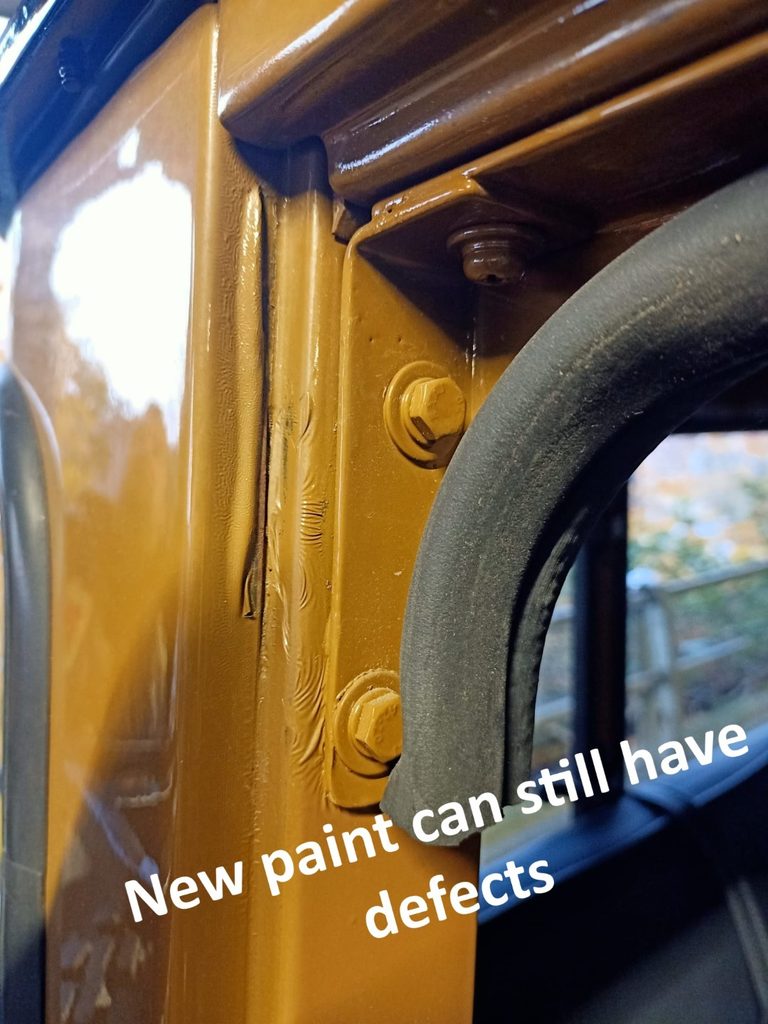
A fresh respray can hide a multitude of sins or even a new paint job. It’s remarkably easy to slap thick layers of paint and body filler over bubbling rust to make a car look pristine in listing photos.
A local inspection gives you what photos never can: a paint meter to check metal thickness, a flashlight in the wheel arches, and a probe around the frame rails. Buying without one means you might discover hidden corrosion only when your detailer—or worse, your welder—starts digging into the bodywork.
3. Missing Documentation and Title Hurdles
In Europe, paperwork laws vary significantly from country to country. Does the car have its original registration? Is it de-registered properly for export? Are matching numbers documented?
Sorting out title issues, missing export certificates, or customs roadblocks after the car has already been paid for and shipped is a nightmare. An independent inspector doesn't just look at the metal; they verify the paperwork matches the physical chassis and engine numbers—including the VIN plates and official registration documents like the local "libretto" ("title" in Italian).

4. Logistics and Transit Complications
Transporting a vehicle that isn't truly roadworthy or structurally sound introduces major headaches before the container even leaves the port. If a car cannot reliably steer, brake, or roll under its own power, loading onto a RoRo (Roll-on/Roll-off) vessel or securing it inside a shipping container becomes significantly more complex and expensive.
An inspection ensures you know the exact operational status of the vehicle beforehand, allowing us to arrange proper customs broker filings, correct loading procedures, and accurate ISF filings without unexpected handling delays or port fees.

The Bottom Line: Spending money on an independent pre-purchase inspection isn’t an expense—it’s insurance. It gives you leverage in negotiations, peace of mind during transit, and protects you from buying someone else's expensive headache. Always look before you leap.
Pre-purchase inspection details and costs find here: Finding & Inspecting | Cool Car Man
